Working with Our Inner Figures
"I have already said that when Jung's (Carl Jung, founder of Analytic Psychology) ego fell through the crack created by dissociation, he fell into a world already there to catch him - a world that eventually saved his soul. What if (for the sake of argument) we imagined that this mytho-poetic dimension of human experience was just as primary, just as foundational, as the infant-mother relational world through which it is (usually) transformed? How would this change the way we viewed childhood experience? What if this "second space" provided the human soul (unable to suffer its way to embodied existence in the inter-personal world because of trauma) both a refuge and a way of returning through mytho-poetic, cultural, artistic, and symbolic vehicles to this world? What if there were two avenues through which we might develop into healthy, creative individuals in this life, not just one? What if some survivors of early trauma (like Jung) were given a privileged look into this second space and were able to use it to eventually return to a full life "between the worlds" once again?"
Donald Kalsched, PhD,
Jungian Analyst
Trauma and the Soul
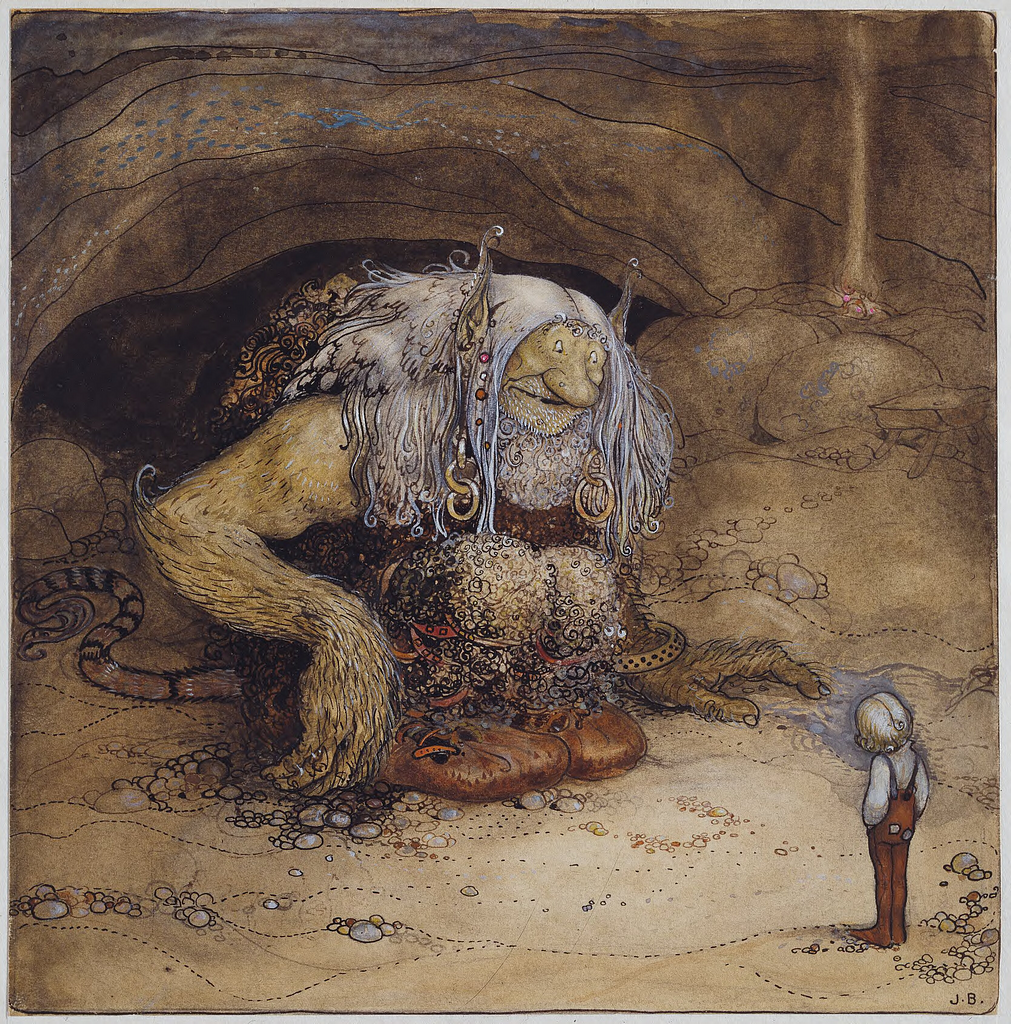
Working with inner figures can be a powerful method for exploring and understanding yourself and how you “fit” into the world. These figures manifest as symbolic representations within the psyche, representing various aspects of our personalities, emotions, and experiences. Dialogues and creative expressions centered around these figures enable communication with the subconscious, leading to profound insights and healing. It fosters a compassionate self-relationship and fosters healing, resilience, and personal growth.
In order to start working with our inner parts, it may be helpful to first understand some of the philosophies that view the self as being composed of multiple identities, or entities, versus having one, singular “me”. Working with inner figures actually has a long history, probably as long as humans have been trudging around on this earth with some amount of consciousness. Most known ancient cultures were known to include an initiated person or persons in their community who worked with the Spirit World. The inhabitants of this Spirit World were thought to show up in the voices and entities that make themselves known in our inner world.
My interest in working with inner figures began in the 1990s when I was providing therapy to clients diagnosed with Dissociative Identity Disorder, previously known as “Multiple Personality Disorder.” I was intrigued by the idea that people could have distinct personality parts with separate voices, behaviors, and memories apart from their primary personalities. According to Frank Putnam, an expert on DID, these “alter” personalities develop as a coping mechanism in response to severe childhood trauma, taking on various roles like child, host, persecutor, protector, helper, and memory keeper. It’s important to note that many psychological frameworks recognize the existence of these inner figures in all individuals, not just those who have experienced severe trauma. These frameworks include Gestalt, Psychoanalytic, Voice Dialogue, Object Relations, and Transactional Analysis. A widely used modern approach is Robert Schwartz’s “Internal Family Systems” (IFS), which categorizes these inner parts as Exiles, Firefighters, Managers, and the Self.
My perspective most closely aligns with Depth Psychology, drawing inspiration from C.G. Jung and James Hillman as well as insights from myth and folklore. Archetypes and daimons are two powerful concepts that offer deep insights into the human psyche, each with a rich history rooted in ancient thought and modern psychology. Archetypes, a concept developed by Carl Jung, are universal, primordial patterns or symbols that reside in the collective unconscious—a shared reservoir of human experience that transcends individual lives and cultures. Archetypes represent fundamental aspects of the human experience, such as the Hero, the Mother, the Shadow, and the Self. These are not concrete entities but underlying patterns that shape how we perceive and interact with the world. Archetypes manifest in our dreams, myths, and cultural narratives, profoundly influencing our behaviors, attitudes, and life choices. For instance, the Hero archetype might drive a person to seek adventure and overcome challenges, while the Shadow represents repressed aspects of the self that need to be acknowledged and integrated. The universality of archetypes means they are common to all humans, serving as the building blocks of the psyche and shaping the way we understand ourselves and our interactions with the world.
Daimons, on the other hand, are more specific and personal. The concept of a daimon originates from ancient Greek philosophy, where it was understood as a guiding spirit or intermediary between the human and the divine. Unlike archetypes, which are universal and shared by all, daimons are unique to each individual. They are often experienced as distinct inner presences with their own voices, desires, and wills. A daimon might represent a person’s calling, a particular talent, or a moral force that pushes them toward their destiny. In psychological terms, a daimon could correspond to a strong internal urge or compulsion that shapes a person’s life path, guiding them toward their true purpose. While archetypes provide a broad framework of universal patterns, daimons offer a more intimate connection, influencing an individual’s deepest motivations and sense of purpose.
In my experience, inner figures that cause “symptoms” typically fall into the categories of persecutors (such as inner critics), rescuers and victims (the hurt, usually young, parts that the system protects). These are the parts that can drive self-loathing, addictions, anger outbursts, difficulty with asserting oneself, chronic sadness or emptiness, anxiety, problems attaching to other people (either clinging too hard, avoiding, or ambivalence). These types of figures tend to be more fixated on their view of what is needed for survival based on past experiences, and less about building a fulfilling life in the present.
When these defense systems are so loud, we may not realize they also have access to many, many inner resources and guides available to them through the Collective Unconscious, an internal world that connects us to a greater world psyche. Nurturing Mothers, Compassionate Guides, Companions, Guardian Angels, Protective Guards, Assertive Warriors, and Wise Elders (not to mention the core of it all, the Authentic Self), can be powerful archetypal allies when walking in the world which contains challenging situations.
As we explore our inner selves not only can we discover a wealth of internal resources, we can also connect to archetypal energies that are available to everyone. These inner inquiries can offer a sense of deep meaning, purpose as well as a better understanding of the patterns in our lives.